Selecting the right steel material is essential for the safety, durability, and efficiency of any construction or fabrication project. MS Plates, or Mild Steel Plates, are among the most widely used steel products because of their versatility, strength, and ease of fabrication. From industrial machinery and structural frameworks to bridges and heavy equipment, MS plates serve as a reliable foundation for countless applications.
Builders, fabricators, contractors, and industrial project developers across Nagpur and Maharashtra depend on quality MS plates for projects that demand consistent performance and long service life. Understanding their characteristics and selecting the appropriate specifications can significantly improve the quality and longevity of any steel structure.
What Are MS Plates?
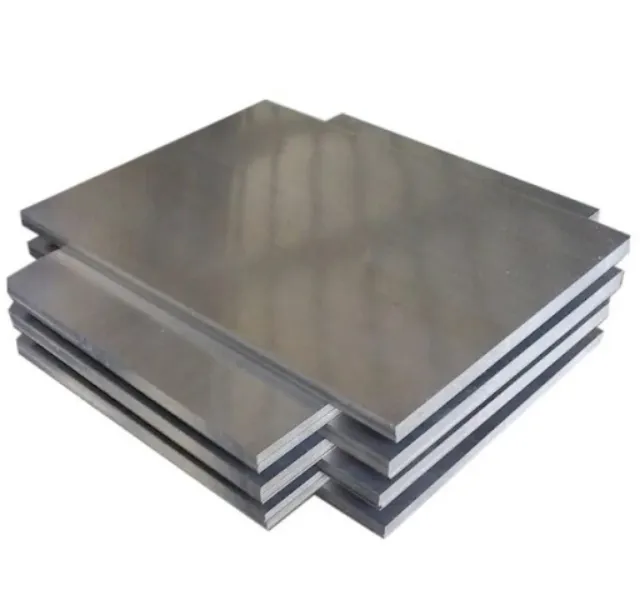
MS plates are flat steel sheets manufactured using mild steel, a low-carbon steel known for its excellent workability and balanced mechanical properties. Because they contain relatively low carbon content, these plates are easier to cut, drill, weld, and fabricate than many other steel materials.
They are available in various thicknesses, widths, and lengths to suit different industrial and structural applications.
Why Are MS Plates Widely Used?
Mild steel continues to be one of the most preferred materials across multiple industries because it offers an excellent balance between performance and cost.
Some of the major advantages include:
- High structural strength
- Excellent weldability
- Easy machining and fabrication
- Good ductility
- Wide availability
- Cost-effective for large projects
- Suitable for various industrial applications
- Long service life with appropriate surface protection
These features make MS plates suitable for both light fabrication work and heavy engineering projects.
Common Applications of MS Plates
MS plates are used in almost every major industrial sector.
Some of the most common applications include:
- Industrial buildings
- Steel fabrication
- Heavy machinery manufacturing
- Warehouse construction
- Bridge components
- Storage tanks
- Pressure vessel fabrication
- Equipment bases
- Structural supports
- Commercial construction projects
- Engineering workshops
- Infrastructure development
Their versatility allows them to meet the needs of projects of varying sizes and complexities.
Factors to Consider Before Buying MS Plates
Choosing the right MS plate involves more than selecting the required dimensions. Several technical factors influence overall project performance.
Plate Thickness
Different applications require different thicknesses. Structural members carrying heavier loads generally require thicker plates, while lighter fabrication projects may use thinner sections.
Material Grade
Selecting the appropriate steel grade ensures the plate meets the mechanical and structural requirements of the project. Engineers typically specify grades according to design calculations and applicable standards.
Surface Condition
The surface quality of the plate can influence fabrication, painting, and corrosion protection. Inspecting the material before fabrication helps reduce additional preparation work.
Dimensional Accuracy
Accurate dimensions simplify fabrication and improve assembly during construction. Consistency in thickness and flatness is especially important for precision engineering projects.
Fabrication Requirements
Consider how the material will be processed. Welding, bending, cutting, and machining requirements should all influence material selection.
Advantages for Industrial Fabrication
MS plates continue to be preferred by fabrication industries because they support a wide range of manufacturing processes.
Some operational advantages include:
- Easy welding with standard processes
- Efficient cutting using different techniques
- Compatibility with machining operations
- Reliable structural performance
- Flexible fabrication possibilities
- Suitable for custom manufacturing
These benefits contribute to shorter production times and improved manufacturing efficiency.
Performance in Nagpur's Industrial Environment
Industrial facilities in Nagpur often operate under demanding conditions, including high temperatures, heavy machinery, and continuous production activities. Selecting quality MS plates ensures that fabricated structures maintain their strength and stability under normal operating conditions.
Where outdoor exposure is expected, appropriate protective coatings or painting systems help improve corrosion resistance and extend service life.
Routine inspections and timely maintenance further support long-term structural performance.
Best Practices for Storage
Proper storage helps preserve the quality of MS plates before fabrication.
Recommended practices include:
- Store plates on level supports.
- Keep materials away from standing water.
- Protect surfaces from prolonged moisture exposure.
- Organise plates according to size and thickness.
- Inspect materials before fabrication begins.
These simple precautions help maintain material quality throughout the construction process.
Choosing a Reliable Manufacturer
The consistency of steel quality plays a significant role in fabrication accuracy and structural reliability. Builders, fabricators, and industrial buyers often consider manufacturing standards, quality control, supply capability, and product consistency before selecting a supplier.
For industrial and infrastructure projects in Nagpur, Manav Alloys Private Limited manufactures steel building materials designed to support diverse construction and fabrication requirements. Choosing quality MS plates from a dependable manufacturer helps ensure efficient fabrication, reliable structural performance, and long-term durability across commercial, industrial, and infrastructure projects.
Keywords