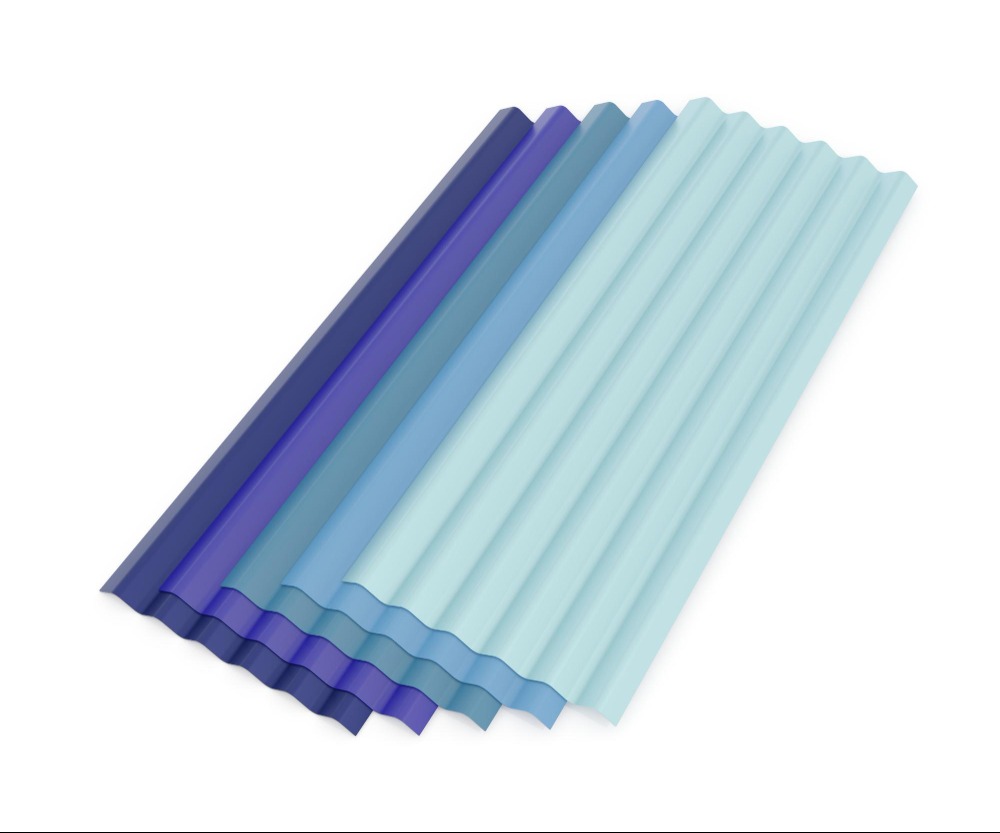
Large industrial and commercial buildings often require artificial lighting during working hours because conventional metal roofing blocks daylight. Strategically placed Polycarbonate Sheets can introduce natural light into suitable roof or wall areas, reducing dependence on electric lighting during periods when sufficient daylight is available.
The objective, however, should not be to install as many translucent sheets as possible. Effective daylighting requires balance between illumination, heat, structural requirements, weather sealing, and building use.
Where Polycarbonate Sheets Can Add Value
Polycarbonate-based daylighting elements are commonly considered for:
- Warehouses
- Factory sheds
- Workshops
- Storage facilities
- Commercial structures
- Covered loading areas
- Selected canopies
- Industrial roof sections
In metal-roofed buildings, translucent sections may be distributed between opaque roofing sheets to allow daylight into the interior.
The appropriate arrangement depends on building geometry and operational requirements.
More Daylight Is Not Always Better
Excessive translucent roofing can introduce glare or unwanted solar heat.
A warehouse storing light-sensitive goods may have different requirements from a fabrication workshop. A manufacturing line requiring consistent visual conditions may also need more controlled lighting than a general storage area.
The percentage and placement of daylighting material should therefore be decided according to the building's function.
Compatibility With Roofing Profiles Is Important
When polycarbonate sheets are incorporated into metal roofing, the adjoining profiles need compatible geometry and suitable overlap detailing.
Poorly matched sheets can make sealing difficult and increase the risk of water entry.
Before procurement, project teams should confirm:
- Roof-sheet profile
- Polycarbonate profile
- Support spacing
- Sheet dimensions
- Overlap arrangement
- Fastener details
- Sealing method
- Thermal movement allowance
Polycarbonate materials can expand and contract with temperature changes, so installation should follow the relevant product recommendations.
Consider Light Distribution
A few concentrated daylight openings may create bright spots surrounded by darker zones.
Distributing translucent sections appropriately can produce more useful illumination across a large floor area. Roof orientation and internal obstructions also affect how light reaches the working space.
Racks, machinery, mezzanines, partitions, and suspended services should therefore be considered during daylight planning.
Weather Sealing Requires Care
Any transition between different roofing materials deserves careful detailing.
During Maharashtra's monsoon period, poorly executed laps or fixing points may become apparent quickly. Installation teams should follow compatible fastening and sealing practices rather than improvising on site.
Routine roof inspections should include daylighting sections, surrounding fasteners, overlaps, and seal conditions.
Evaluate Total Building Performance
Daylighting can potentially reduce daytime lighting demand, but energy performance depends on more than the number of translucent sheets.
Additional heat entering the building may influence comfort or cooling requirements. Ventilation, roof insulation, building orientation, and internal operations should therefore be considered alongside daylight.
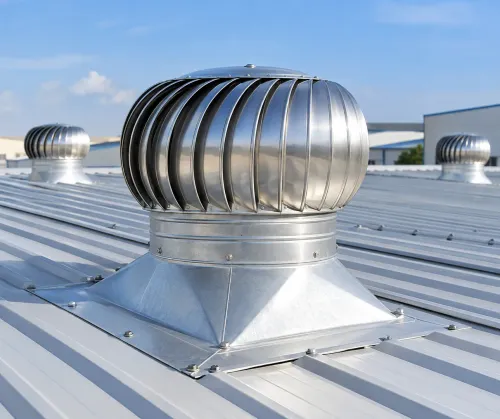
For naturally ventilated industrial sheds, daylighting and roof ventilation can be planned as complementary building-envelope strategies.
Specify the Application Clearly
Businesses sourcing Polycarbonate Sheets for projects in Nagpur should communicate the exact intended application rather than simply requesting a generic translucent sheet.
Useful enquiry details include building type, roof profile, required dimensions, installation location, and expected coverage.
Manav Alloys Private Limited serves steel and roofing requirements in Nagpur, where industrial buyers can consider polycarbonate daylighting sheets alongside the broader roofing material schedule.
A coordinated specification can help ensure that natural lighting becomes a functional part of the building rather than an afterthought introduced during installation.
Keywords