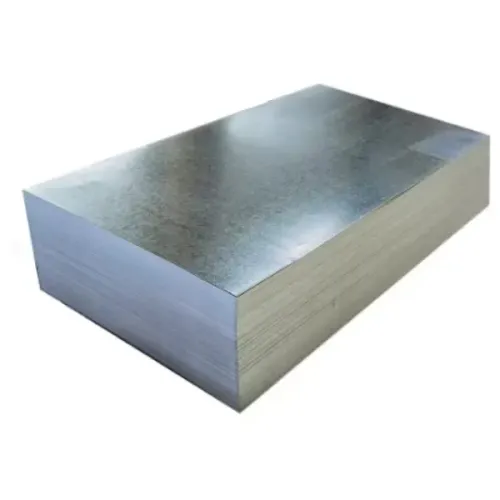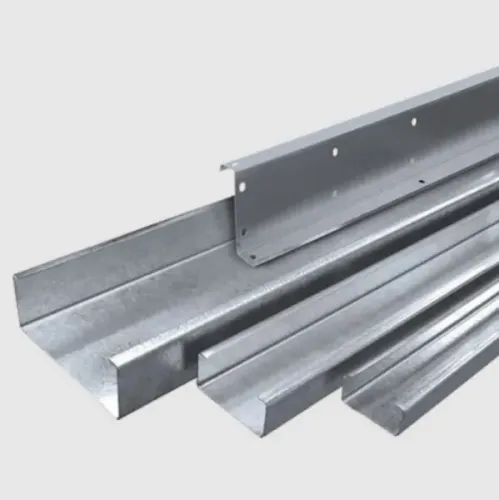
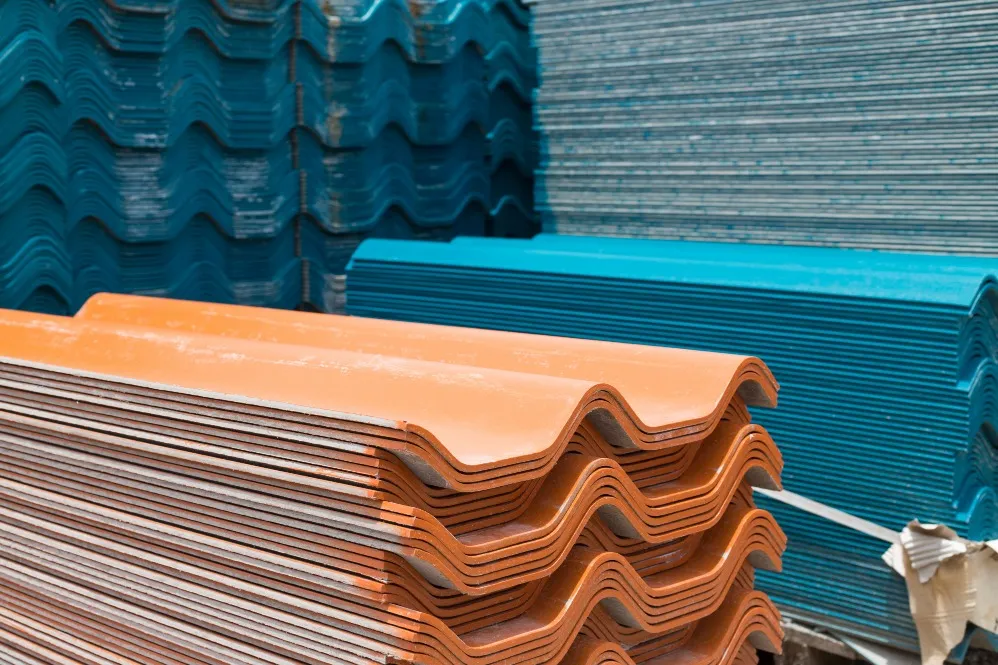
Industrial roofing needs to do more than cover a structure. It must suit the building dimensions, roof slope, supporting framework, environmental exposure, drainage plan, installation method, and expected service conditions. Profile Sheets are widely used across warehouses, factories, workshops, commercial sheds, and infrastructure structures because their formed geometry provides useful rigidity while enabling large areas to be covered efficiently.
Choosing a profile sheet should therefore begin with the building requirement rather than colour or appearance alone.
What Are Profile Sheets?
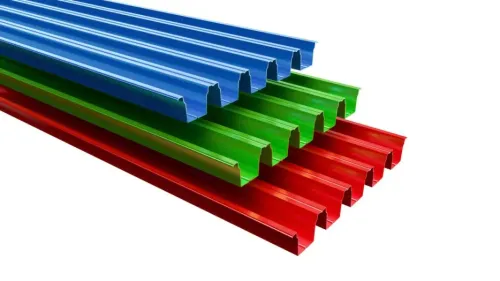
Profile sheets are metal sheets formed into repeated ribs, corrugations, or other engineered profiles.
Profiling increases stiffness compared with a completely flat sheet of similar material. Depending on the product and application, sheets may be used for roofing, wall cladding, partitions, canopies, or related construction purposes.
Typical users include:
- Industrial developers
- Warehouse contractors
- Fabricators
- Roofing contractors
- Builders
- Infrastructure companies
- Commercial property developers
The exact profile should correspond to the intended application.
Start With the Roof Structure
Before ordering sheets, establish the basic roof geometry.
Contractors should confirm dimensions, slope, purlin spacing, drainage direction, ridge details, openings, and planned penetrations.
This information helps determine sheet lengths, overlaps, fixing locations, and accessories.
Accurate measurement also reduces unnecessary cutting at the site, which can improve installation efficiency and limit avoidable material waste.
Thickness Requires Application-Based Selection
A common purchasing mistake is to compare sheets purely by price without understanding thickness and material specifications.
Sheet thickness influences rigidity, handling, weight, and suitability for different structural conditions. The appropriate specification should reflect span requirements, support spacing, wind conditions, installation demands, and project design.
A thinner sheet should not automatically be considered more economical if the application requires a more robust specification.
Coating Selection Affects Long-Term Performance
Metal roofing is continuously exposed to environmental conditions.
Depending on the sheet type, protective coatings can help provide resistance against corrosion and weathering. Pre-painted products can additionally provide a finished appearance suitable for industrial and commercial buildings.
Buyers should ask about:
- Base metal
- Coating type
- Coating specification
- Sheet thickness
- Colour options
- Surface finish
- Recommended application
These details make quotations easier to compare accurately.
Roof Accessories Should Be Planned Together
A roof requires more than its main sheets.
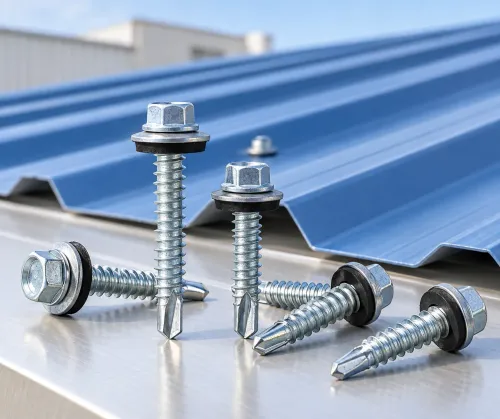
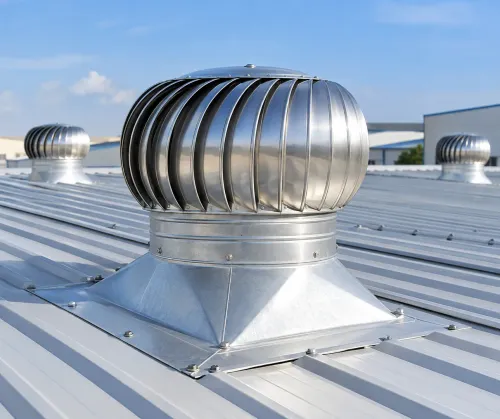
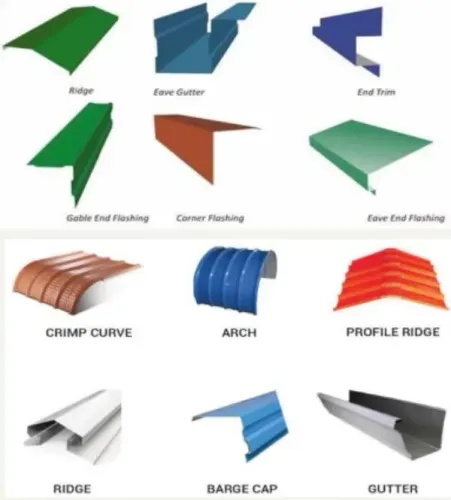
Depending on the structure, additional components may include ridge pieces, flashing, gutters, fasteners, ventilators, closures, and other fabricated accessories.
Planning these elements before installation helps reduce improvisation at junctions and edges.
For projects in Nagpur and other parts of Maharashtra, monsoon rainfall makes drainage details particularly relevant. Roof slope, gutters, overlaps, and water discharge paths should be considered together.
Transportation Deserves Attention
Long profile sheets need careful handling during loading, transport, unloading, and storage.
Poor handling can produce scratches, dents, bent edges, or distortion. Sheets should be supported appropriately and stored in conditions that reduce unnecessary moisture exposure before installation.
Project teams ordering large quantities should coordinate delivery sequencing so material does not remain at the site longer than necessary.
Select Sheets as Part of a Complete System
Good roofing decisions come from considering the complete assembly: structural supports, sheet profile, material specification, fasteners, accessories, drainage, ventilation, and workmanship.
Businesses sourcing Profile Sheets in Nagpur can evaluate manufacturers such as Manav Alloys Private Limited by discussing actual project dimensions and application requirements rather than requesting a generic rate alone.
A well-defined specification gives both buyer and supplier a clearer basis for selecting materials suitable for the project.
Keywords