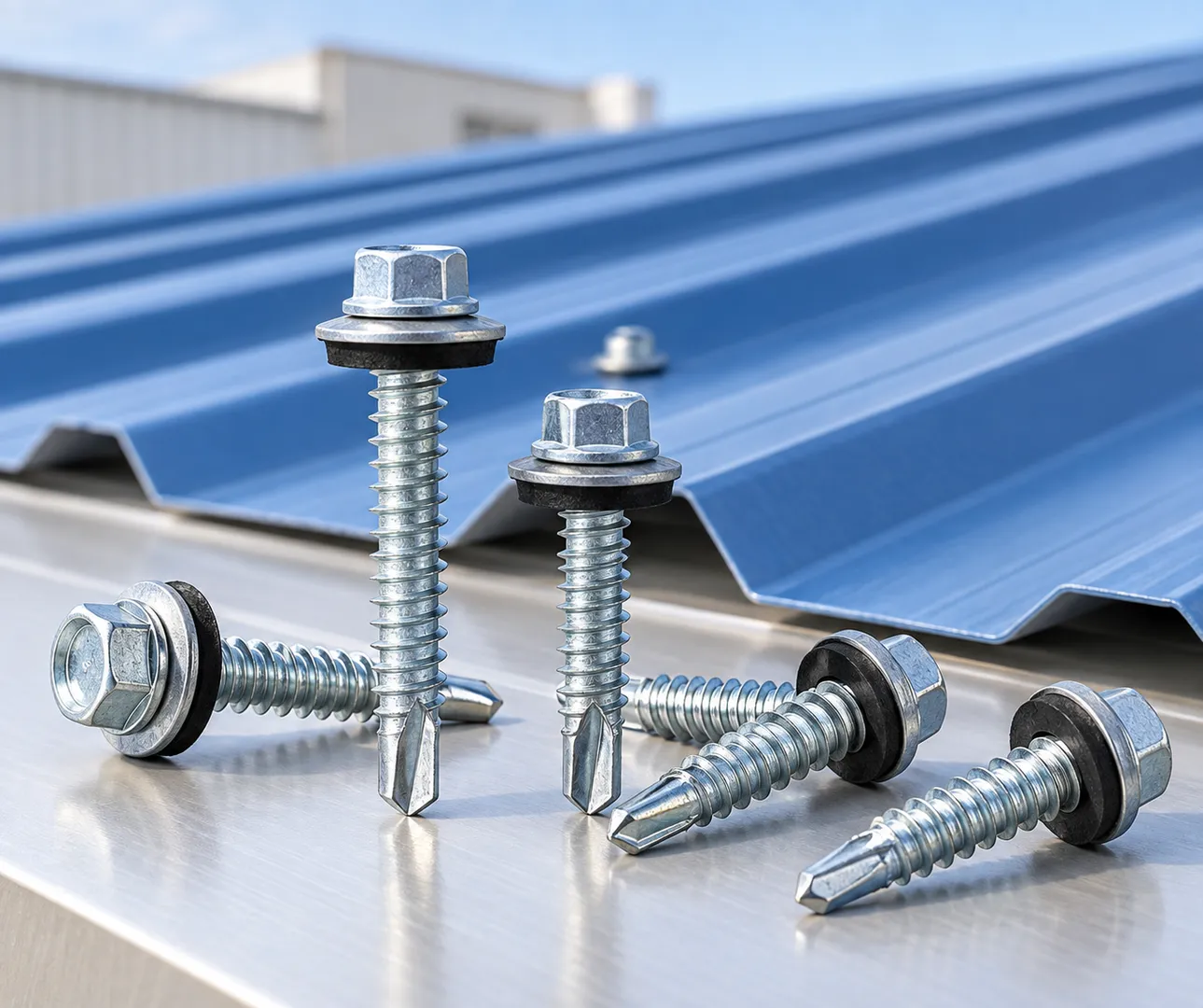
A roofing sheet can only perform as intended when it is fixed correctly. Even when good-quality metal sheets are selected, unsuitable fasteners can create problems around joints, overlaps, and fixing points. SDS Screws, commonly understood as self-drilling screws, are widely used in metal roofing and fabrication because they can drill into suitable substrates while creating a secure fastening point.
Builders, roofing contractors, fabricators, and industrial project teams should therefore treat fastener selection as part of the roofing specification rather than as a minor purchasing decision.
What Makes SDS Screws Useful?
Self-drilling screws incorporate a drill-shaped point that helps penetrate compatible materials without requiring a separate pilot-hole operation in many applications.
This can simplify installation where roofing sheets need to be fixed to metal structural members.
Common applications include:
- Metal roofing sheets
- Wall cladding
- Industrial sheds
- Prefabricated structures
- Roofing accessories
- Metal-to-metal fixing
- Selected sheet-to-frame connections
The correct screw still depends on the material thickness, substrate, roofing profile, and structural requirement.
Screw Length Should Match the Assembly
Choosing a screw simply because it appears long enough is not a reliable approach.
The fastener needs to pass through the roofing sheet and engage the supporting material sufficiently for the intended application. Roof build-up can also include washers, insulation layers, spacers, or overlapping sheets.
Before purchasing, contractors should identify the complete assembly rather than considering only sheet thickness.
Washer Quality Influences Weather Sealing
Roofing fasteners frequently incorporate sealing washers designed to help limit water penetration around fixing points.
Correct compression is important. Under-tightening may leave an inadequate seal, while excessive tightening can deform the washer or roofing sheet.
Installers should therefore use appropriate tools and controlled fastening practices rather than driving every screw with maximum force.
Corrosion Conditions Need Consideration
Fasteners are exposed to the same environment as the roofing system.
Industrial pollution, moisture, coastal exposure, chemicals, and prolonged weather exposure can influence corrosion risk. The screw material and protective coating should therefore be selected with the operating environment in mind.
In Nagpur and wider project conditions can vary from relatively dry warehouse environments to industrial sites exposed to dust, process emissions, or seasonal heavy rainfall.
Installation Pattern Is Equally Important
Using an appropriate screw does not compensate for incorrect fixing locations.
Roofing manufacturers or project engineers may specify fastening positions according to profile geometry, supporting members, wind conditions, and sheet layout.
Installers should pay attention to:
- Recommended screw spacing
- Edge fixing
- Sheet overlaps
- Purlin locations
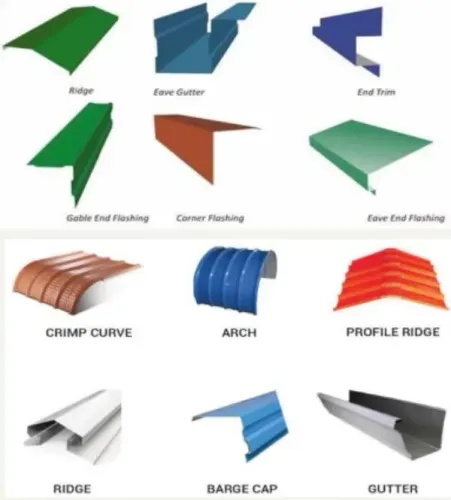
- Flashing connections
- Ridge details
- Roof penetrations
Random fixing patterns can create uneven load distribution or unnecessary penetrations.
Avoid Common Fastener Mistakes
Several preventable mistakes can reduce roofing performance.
These include selecting screws without checking substrate thickness, using incorrect lengths, over-tightening washers, placing screws at inconsistent angles, and using fasteners with inadequate corrosion protection for the environment.
Contractors should also avoid mixing different fastener specifications across a project unless the design requires them.
Small Component, Significant Role
SDS screws may represent a relatively small part of the total roofing budget, but they contribute directly to how securely sheets remain attached to the supporting structure.
For roofing contractors, builders, fabricators, and construction businesses sourcing materials in Nagpur, suppliers such as Manav Alloys Private Limited can form part of a coordinated procurement approach where sheets, roofing accessories, and compatible fixing requirements are considered together.
Careful fastener selection helps turn a collection of roofing materials into a properly installed roof system.
Keywords