Steel buildings are designed to provide strength, durability, and efficient use of materials. While roofing sheets and structural columns often receive the most attention, one of the most important supporting components is the C/Z Purlin. These steel members play a critical role in supporting roof and wall cladding while distributing loads evenly across the primary structure.
Industrial buildings, warehouses, manufacturing units, logistics centres, agricultural sheds, and commercial facilities across Nagpur and Maharashtra commonly use C and Z purlins because they offer an excellent combination of structural efficiency, lightweight construction, and ease of installation. Selecting the right purlin system helps improve the stability and longevity of the entire building.
What Are C and Z Purlins?
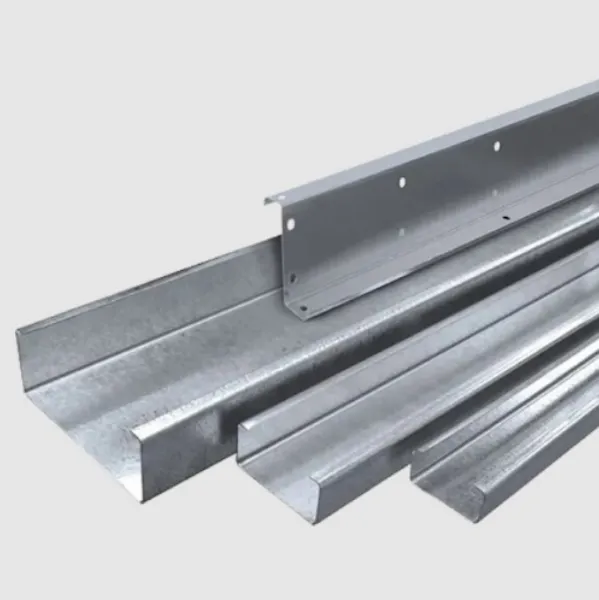
C and Z purlins are cold-formed steel sections used as secondary structural members in steel buildings. They are installed horizontally between the main steel frames to support roofing sheets and wall cladding.
The names are derived from their cross-sectional shapes. C purlins resemble the letter 'C,' while Z purlins have a profile similar to the letter 'Z.' Each type serves different structural requirements depending on the building design and span.
Why Are C/Z Purlins Important?
Although they are secondary structural components, purlins significantly influence the performance of a steel building.
Their primary functions include:
- Supporting roofing sheets
- Supporting wall cladding
- Transferring roof loads to the primary frame
- Improving structural stability
- Maintaining proper spacing between structural members
- Reducing unnecessary structural weight
Without correctly designed purlins, roofing systems cannot perform efficiently under normal operating conditions.
Common Applications
C/Z purlins are widely used in various construction projects.
Typical applications include:
- Industrial sheds
- Warehouses
- Manufacturing plants
- Logistics parks
- Agricultural buildings
- Commercial complexes
- Retail storage facilities
- Workshop buildings
- Sports facilities
- Institutional structures
Their adaptability allows engineers to incorporate them into buildings of different sizes and configurations.
Understanding the Difference Between C and Z Purlins
Although both serve similar purposes, their applications may differ depending on structural requirements.
C Purlins
C purlins are commonly used where simple spans and smaller building layouts are involved. Their shape provides reliable support for many standard roofing systems.
Z Purlins
Z purlins are often preferred for larger buildings because they can overlap at structural joints, improving load distribution and providing additional flexibility in longer spans.
The final selection should always be based on structural engineering calculations rather than appearance alone.
Factors to Consider Before Selecting C/Z Purlins
Choosing the correct purlin system requires evaluating several project-specific factors.
Building Span
Longer roof spans generally require carefully designed purlin arrangements to ensure adequate support.
Load Requirements
Roofing materials, equipment, wind loads, and environmental conditions all influence purlin specifications.
Steel Thickness
The thickness of the purlin affects its load-bearing capacity. Selecting the appropriate thickness helps maintain structural stability without unnecessary material usage.
Corrosion Protection
Galvanized or coated purlins provide better resistance against moisture and environmental exposure, particularly for buildings located outdoors.
Installation Accuracy
Proper alignment, spacing, and fastening are essential for ensuring that the roofing system performs as intended throughout the building's lifespan.
Benefits of Using Quality C/Z Purlins
Well-manufactured purlins contribute to both construction efficiency and long-term building performance.
Some notable advantages include:
- Lightweight structural design
- Faster installation
- Reduced overall steel consumption
- High dimensional accuracy
- Excellent compatibility with roofing systems
- Reliable load distribution
- Lower maintenance requirements
These advantages make them an essential component of modern pre-engineered and conventional steel buildings.
Performance in Nagpur's Climate
Steel buildings in Nagpur must withstand high summer temperatures, seasonal rainfall, and occasional strong winds. Properly designed C/Z purlins help maintain the structural integrity of roofing systems under these varying conditions.
Using corrosion-resistant steel and following recommended installation practices can further improve durability and minimise maintenance over the years.
Routine inspections should include checking fasteners, structural alignment, and any signs of corrosion so that maintenance can be carried out before minor issues become significant.
Choosing a Reliable Manufacturer
The quality of C/Z purlins directly affects the safety and performance of the entire building. Builders, contractors, and industrial developers often evaluate manufacturers based on product consistency, dimensional accuracy, manufacturing capability, quality control, and dependable delivery schedules.
For commercial and industrial construction projects in Nagpur, Manav Alloys Private Limited manufactures steel building materials that support modern construction requirements. Selecting accurately manufactured C/Z purlins helps create roofing systems that are structurally efficient, durable, and capable of delivering dependable performance throughout the life of the building.
Keywords