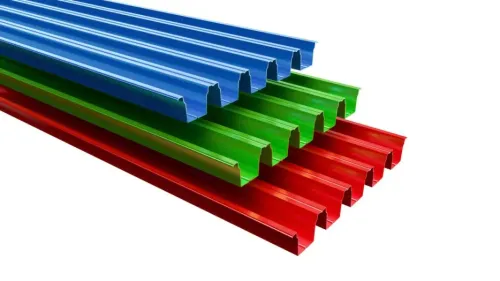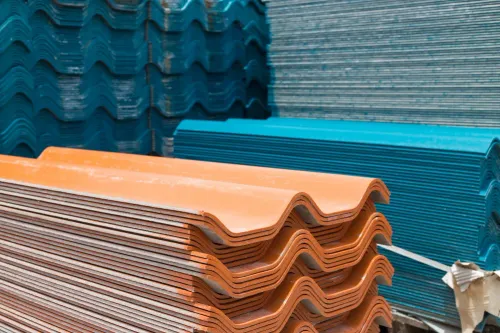
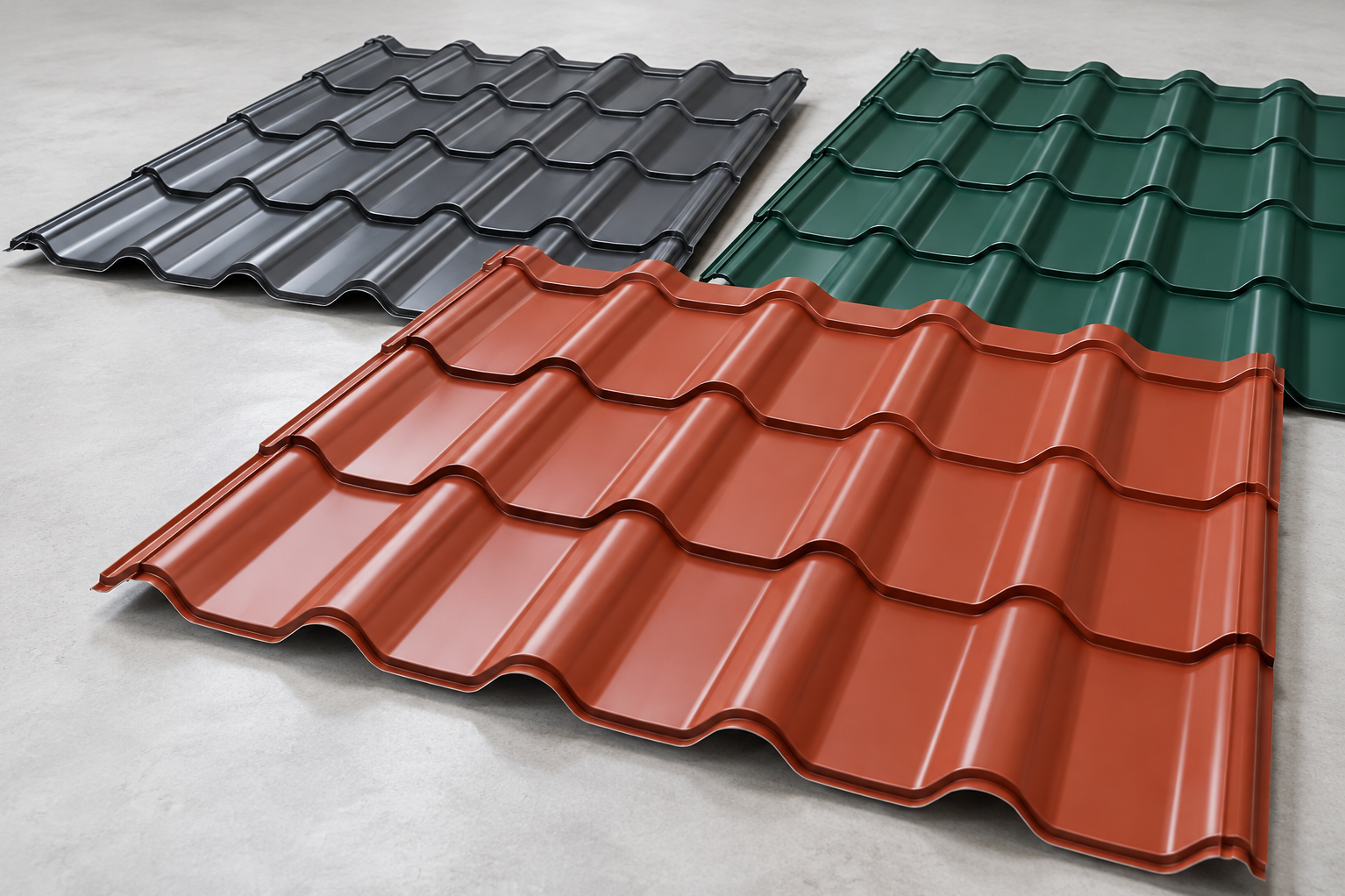
Traditional tiled roofs have a distinctive appearance, but many projects also require the practicality of sheet-based roofing. Tile Profile Sheets are formed metal roofing sheets designed to create a tile-like visual pattern while providing the coverage characteristics of metal sheets.
They may be considered for residential structures, institutional buildings, commercial properties, entrance canopies, resorts, farmhouses, and other sloping-roof applications. Selecting them properly requires more than choosing an attractive colour.
Roof Slope Comes First
Tile-profile roofing is intended for suitable sloping roof structures.
Before ordering material, the contractor should confirm roof pitch, supporting members, drainage direction, valleys, ridges, eaves, and other junctions.
A roof with several intersecting slopes may require more detailed measurement than a simple single-slope structure.
Accurate planning can help reduce excessive cutting and improve alignment of the repeated tile pattern.
Profile Appearance Should Match Building Scale
Tile patterns can vary in depth, spacing, and visual proportion.
A profile that looks suitable on a small canopy may create a different effect across a large institutional roof. Architects and property developers should therefore consider how the pattern will appear from normal viewing distances.
Where appearance is important, reviewing a physical sample can provide a better understanding of colour, texture, profile depth, and finish.
Base Material Specifications Still Matter
The decorative profile should not distract buyers from the technical sheet specification.
Ask about:
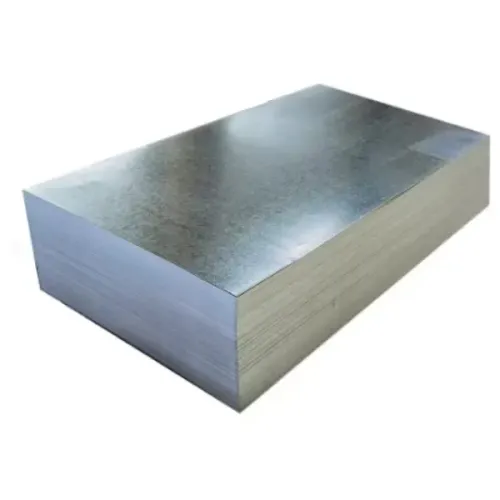
- Base metal
- Sheet thickness
- Protective coating
- Paint finish
- Available widths
- Practical sheet lengths
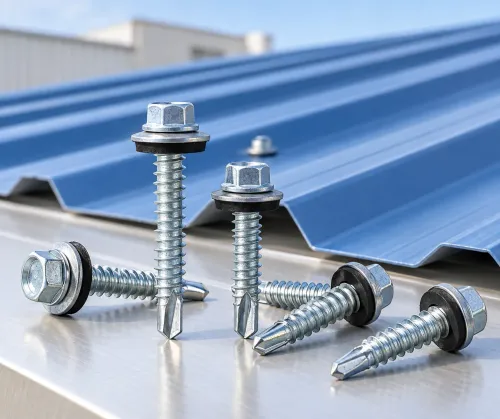
- Fastener requirements
- Matching accessories
Comparing these specifications provides a better purchasing basis than comparing price per sheet without understanding what is being supplied.
Accessories Shape the Finished Roof
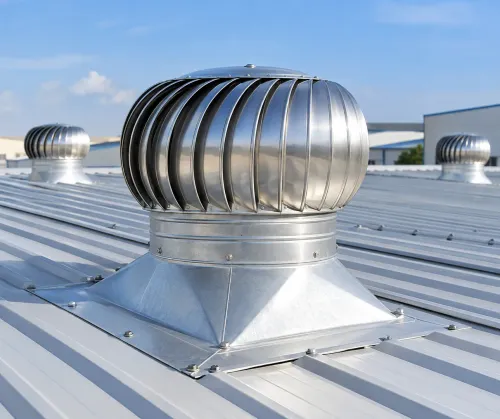
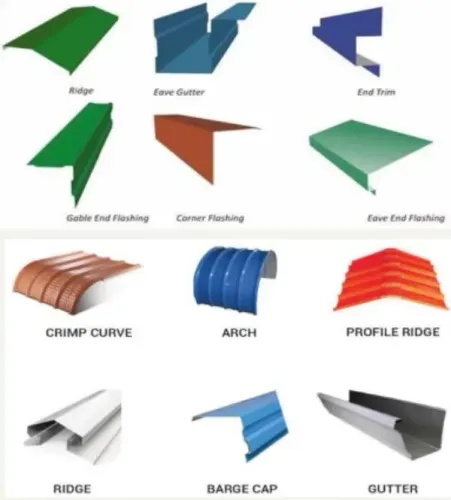
Tile-profile roofing often requires carefully coordinated ridge pieces, barge flashing, valleys, gutters, and other trims.
Because the main roofing has a distinctive pattern, poorly matched accessories can be visually obvious.
Fastener positioning should also be consistent with the sheet manufacturer's recommended installation practice.
Plan for Rainwater Movement
Nagpur experiences a pronounced monsoon season, making roof drainage an important consideration for projects across the region.
Rainwater needs an unobstructed path from the upper roof to gutters or designated discharge points. Valley areas, penetrations, roof intersections, and edge details require particular attention.
Contractors should avoid relying on sealant to compensate for fundamentally poor roof geometry or incorrectly designed overlaps.
Handling Can Protect the Finish
Pre-painted roofing can be scratched if sheets are dragged over one another or handled carelessly.
During unloading and installation, workers should use methods appropriate to sheet length and weight. Cuttings or metal swarf generated during installation should also be removed from finished roof surfaces.
Careful handling protects both appearance and coating integrity.
Who Can Benefit From Tile Profiles?
Tile Profile Sheets can be useful where project owners want a pitched-roof appearance combined with metal roofing construction.
Applications can range from entrance structures and small commercial buildings to larger institutional or residential developments, subject to appropriate structural design.
Buyers sourcing roofing materials in Nagpur, can discuss dimensions, profile options, finishes, and accessories with manufacturers such as Manav Alloys Private Limited.
Providing roof drawings or accurate measurements during enquiry makes it easier to evaluate quantities and related components. The most successful selection is one that considers visual requirements, material specifications, roof geometry, drainage, and installation as one coordinated roofing decision.
Keywords